In September 2018, two men appeared on Russian state television claiming they had visited the English city of Salisbury as tourists, drawn by its cathedral. British authorities told a different story. They identified the men as suspects in the nerve-agent poisoning of Sergei Skripal and his daughter. Bellingcat, a small investigative group specializing in open-source threat intelligence (OSINT), set out to identify the men using nothing but publicly available data. They started with the passport information released by British police and traced it back to a Moscow processing center used almost exclusively by GRU agents. They cross-referenced leaked Russian databases of vehicle registrations and residents. They searched through yearbook photos from military academies. Working with journalists from Radio Svoboda, Bellingcat found a photograph, uploaded by a visitor to a military academy in 2017, showing a portrait with a name beneath it: Colonel Anatoliy Chepiga, matching the face of one of the suspects. A citizen-led investigation, […]

Most Popular Articles

akenza Acquired by VEGA: Behind the 2026 IoT Deal
This Research Note examines the acquisition of the Swiss smart buildings IoT platform company, akenza AG by VEGA Grieshaber KG, a German manufacturer of industrial measurement technology. VEGA Profile Since 1959, VEGA Grieshaber KG has been developing and producing technology for level and pressure measurement for industrial process automation. VEGA’s measurement solutions are used in […]
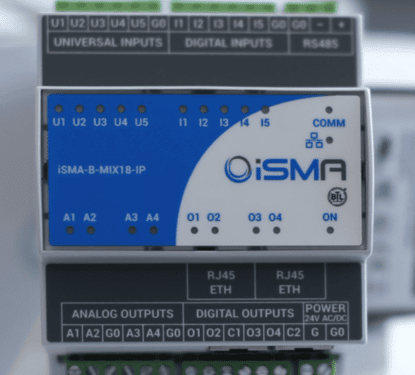
IMI’s €63m Deal Targets Underserved Mid-Sized Buildings
This Research Note examines the acquisition of Italian building automation specialist iSMA CONTROLLI by IMI plc, the UK-listed engineering group. We explore the transaction details, strategic rationale, the target company profile and IMI’s Climate Control sector, before commenting on the deal. Transaction Details IMI plc announced on 7th October 2026 that it has agreed to […]
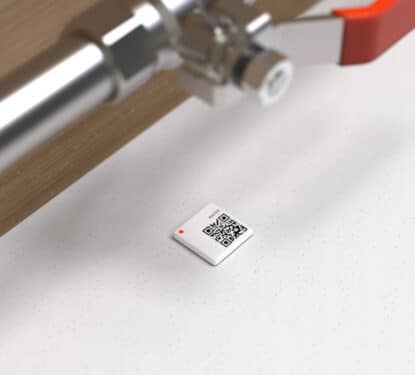
Disruptive Technologies Sold for $130M: What’s Behind the Deal?
This Research Note examines the acquisition of Disruptive Technologies announced by Digi International, a US provider of IoT connectivity products, solutions and services. We highlight the transaction details and strategic rationale for the acquisition, before exploring the current business segments of Digi International and commenting on our view of the deal. Transaction Details A definitive […]